
Sectors We Serve
Cleantech Sectors and Priority Areas
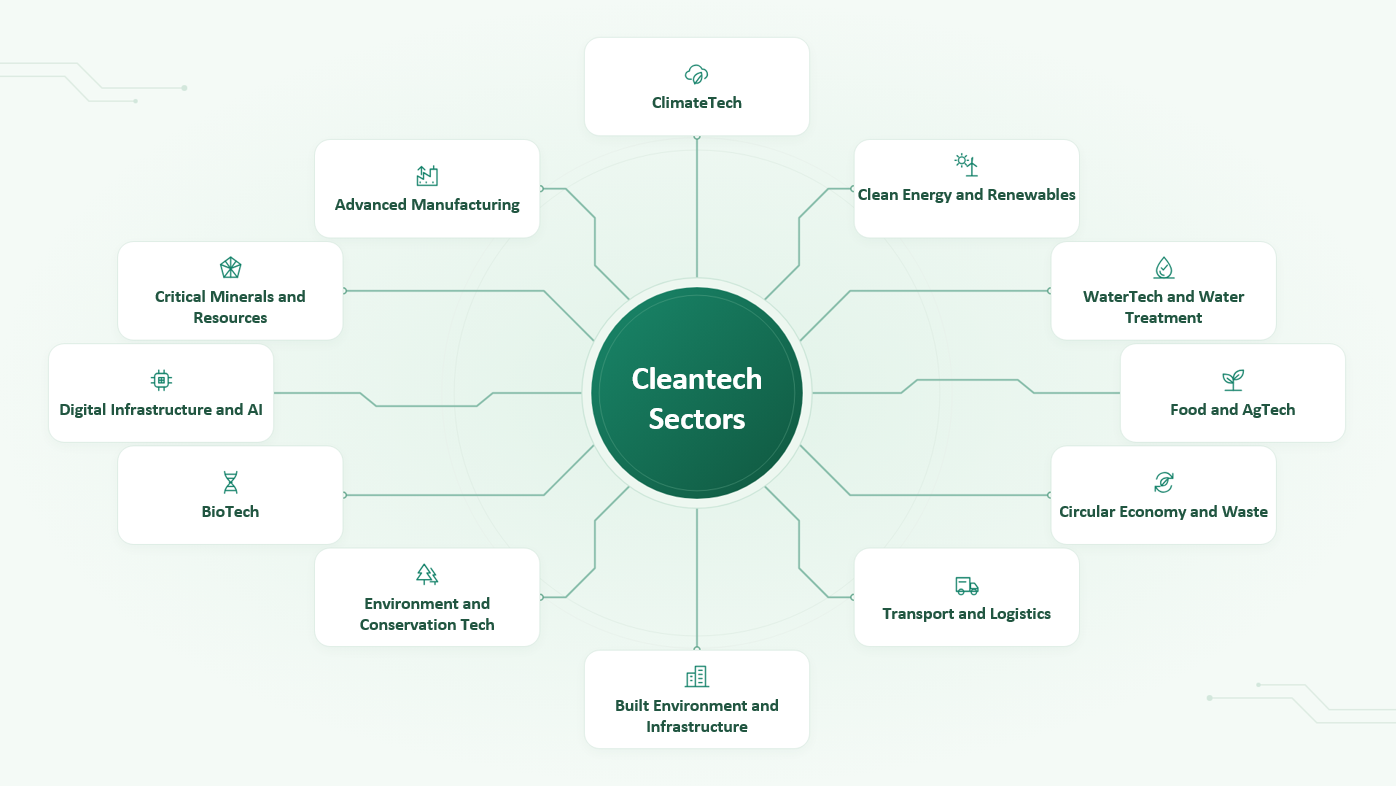
We work across a diverse range of cleantech sectors and priority areas, connecting the expertise, innovation and investment needed to accelerate growth. Explore the key industries shaping Victoria’s clean economy and the technologies driving a cleaner, more sustainable future.
ClimateTech
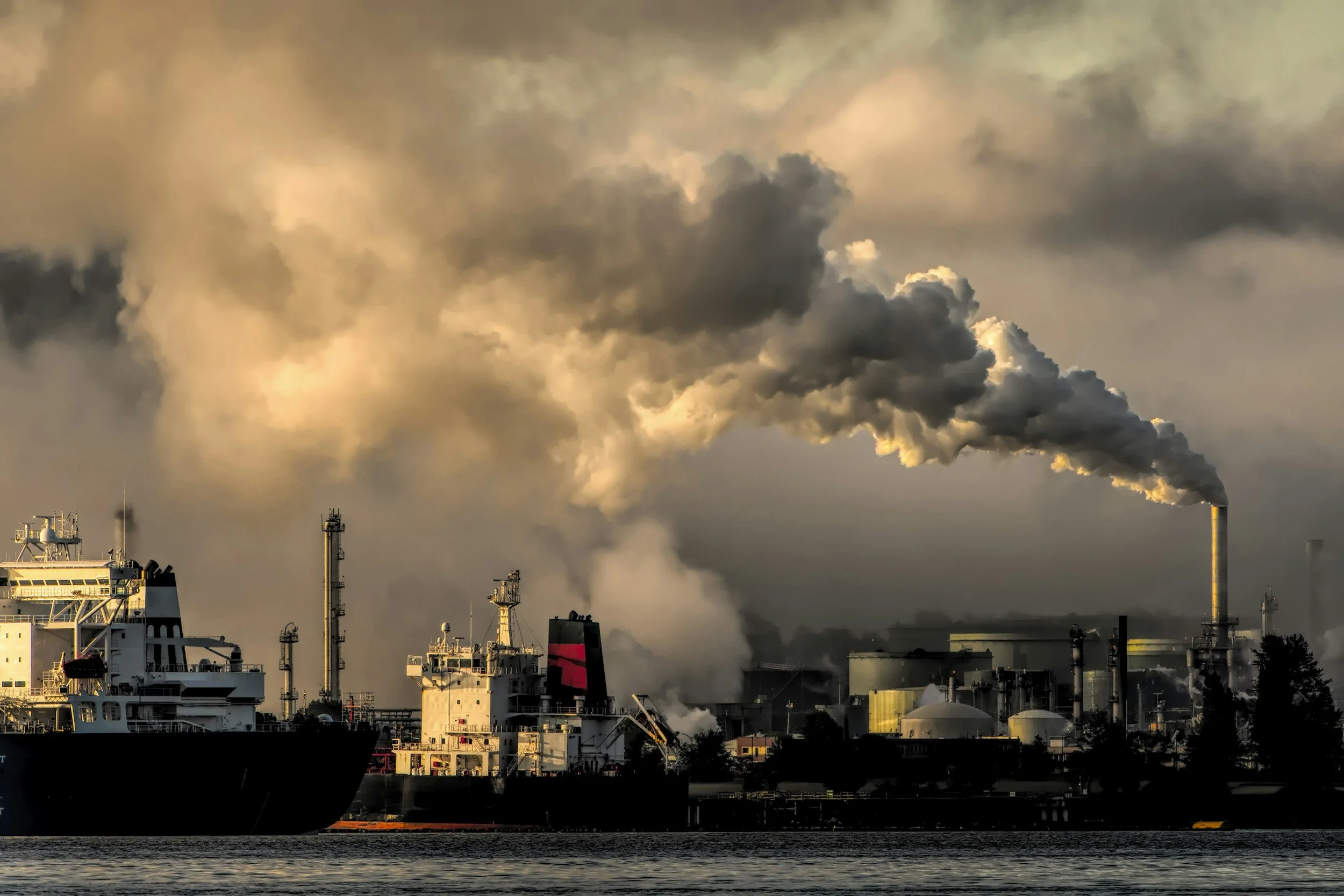
As the climate crisis has intensified, more and more people are looking for climate focused tech solutions. Climate science and climate technologies are a major part of the cleantech ecosystem.
The principal aim of these areas is to tackle climate change and mitigate the damage being done to our natural environment.
Technology for a changing planet.
ClimateTech covers the tools and solutions that measure, reduce and adapt to climate change. Examples include carbon accounting and monitoring, emissions reduction, climate risk analytics, and adaptation and resilience technologies. Demand for credible, scalable climate solutions is growing, and our members are helping meet it.
Our planet depends on it...
Clean Energy and Renewables
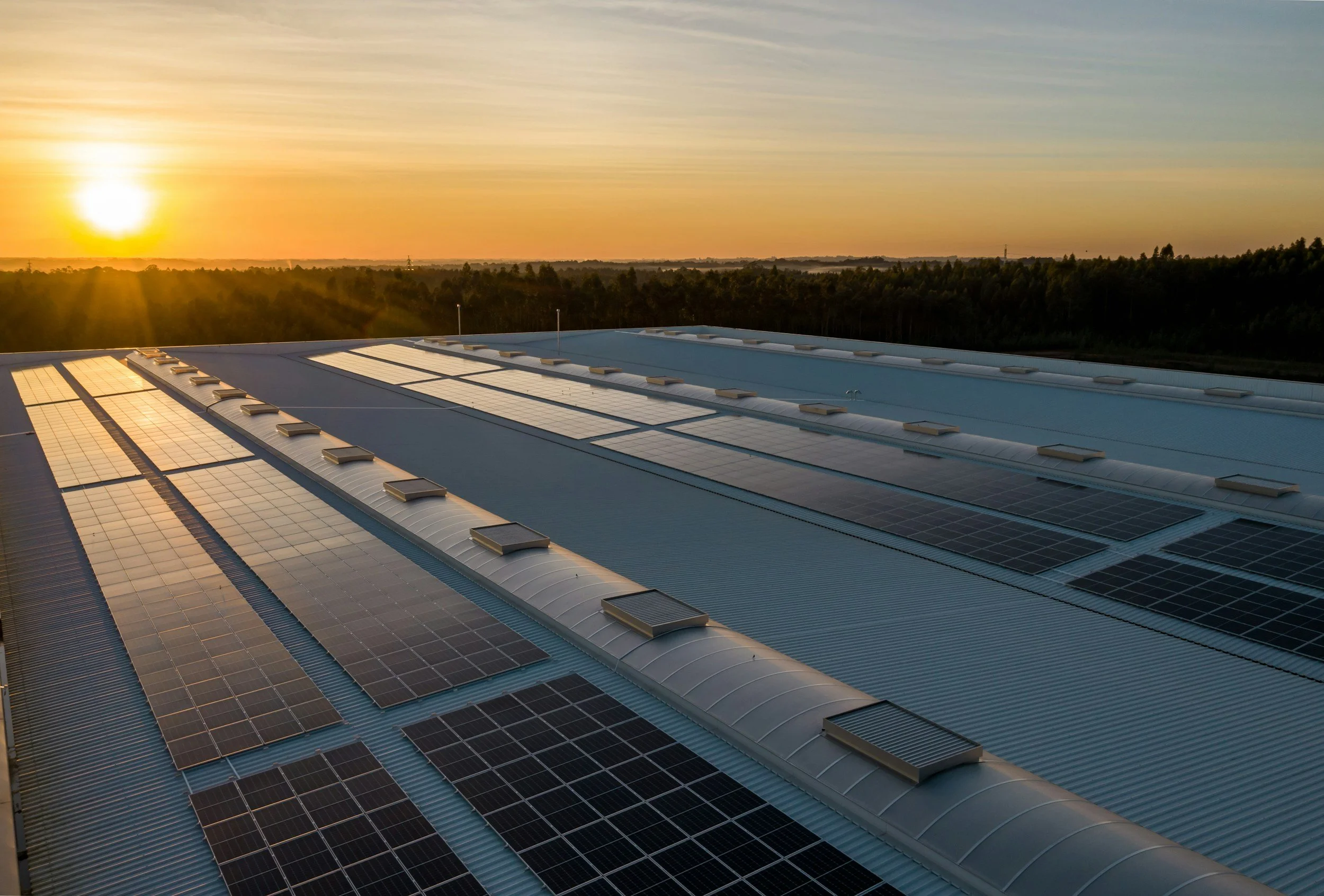
Powering the future...
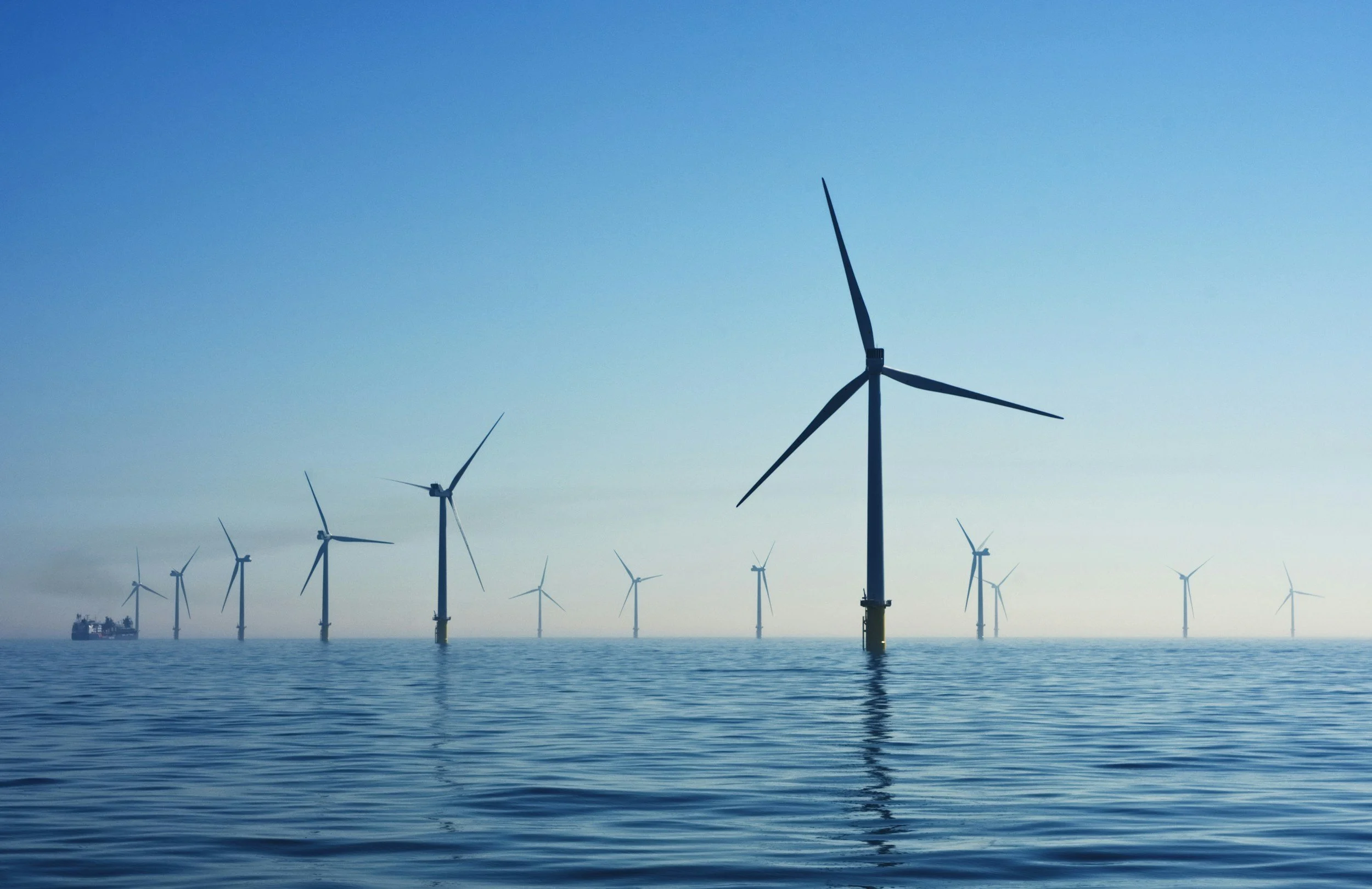
Renewable energy is a major part of cleantech, with areas like solar, wind and hydrogen gaining significant momentum in recent years.
Energy storage is another critical element with large scale batteries being installed across the world.
Powering the future.
Solar, wind, hydrogen and bioenergy are gaining momentum across Victoria and beyond. Energy storage is just as critical, with large-scale batteries now supporting grids around the world. This sector spans generation, storage, grid integration and the technologies that make clean energy reliable and affordable.

WaterTech and Water Treatment
Water, water, everyone...
Water quality is essential to life on earth, and reducing negative impacts on our water sources is key to ensuring that we have a happy and healthy future.
Water research and management are key areas for cleantech with outcomes that benefit humans, animals, and plants.
Water is also used to generate renewable electricity through the tidal and hydroelectric installations.
Water, water, everyone.
Water quality is essential to life, and reducing impacts on our water sources is key to a healthy future. WaterTech spans water research and management, treatment, efficiency, monitoring and reuse. Its outcomes benefit people, animals and plants. Water also generates renewable electricity through hydroelectric and tidal installations.

Food and AgTech
Farming just got a lot smarter...
Food and AgTech applies clean technologies across the whole food system, from the farm gate to the dinner table. On the farm, that means soil health and biodiversity programs, precision agriculture, and lower-emissions livestock management through diet and genetics. Carbon-smart farming matters more every year in the race to net zero. Farms are also turning crop and animal waste into biofuels and adopting solar and agrivoltaics.
From paddock to plate, farming just got a lot smarter.
Beyond the farm, the sector includes sustainable food processing, cold-chain and packaging innovation, food waste reduction, and alternative proteins. It also covers traceability technologies that give consumers and markets confidence in how food is produced. Victoria has strong agricultural and food manufacturing industries, and this sector connects them with the technology and investment to grow cleanly.
Circular Economy and Waste
It's a dirty job, but someone's gotta do it...
Waste management and recycling are important factors in a sustainable, circular economy. Diverting waste away from landfill means less damage to the environment, cleaner air and less reliance on producing new materials.
Waste is a resource in the wrong place.
Waste management, recycling and resource recovery are central to a sustainable economy. Diverting waste from landfill means less environmental damage, cleaner air and less reliance on virgin materials. This sector covers product redesign, materials recovery, remanufacturing, and new markets for recycled and recovered resources.
Transport and Logistics
Moving the world...
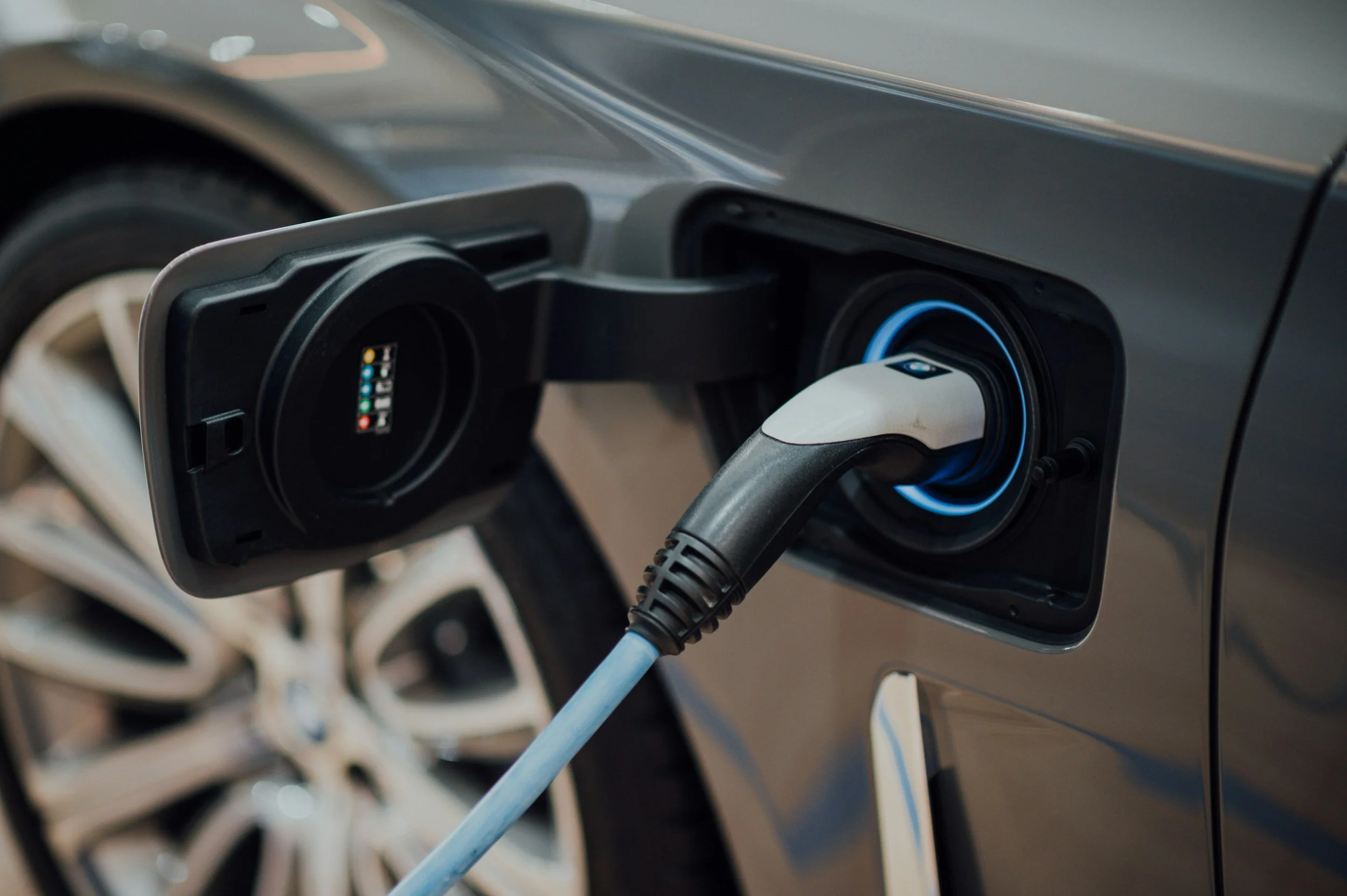
From electric vehicles to hydrogen highways and aviation biofuels, the face of transport is changing thanks to clean technologies.
Reducing emissions while increasing energy efficiency is crucial to this sector.
Micromobility solutions such as e-scooters and e-bikes have also increased in popularity around the world.
Moving the world, cleanly.
Electric vehicles, hydrogen transport and sustainable aviation fuels are changing how people and freight move. Reducing emissions while improving energy efficiency is crucial for this sector. Charging and refuelling infrastructure, fleet decarbonisation, smarter logistics and micromobility (such as e-bikes and e-scooters) are all part of it.
Built Environment and Infrastructure
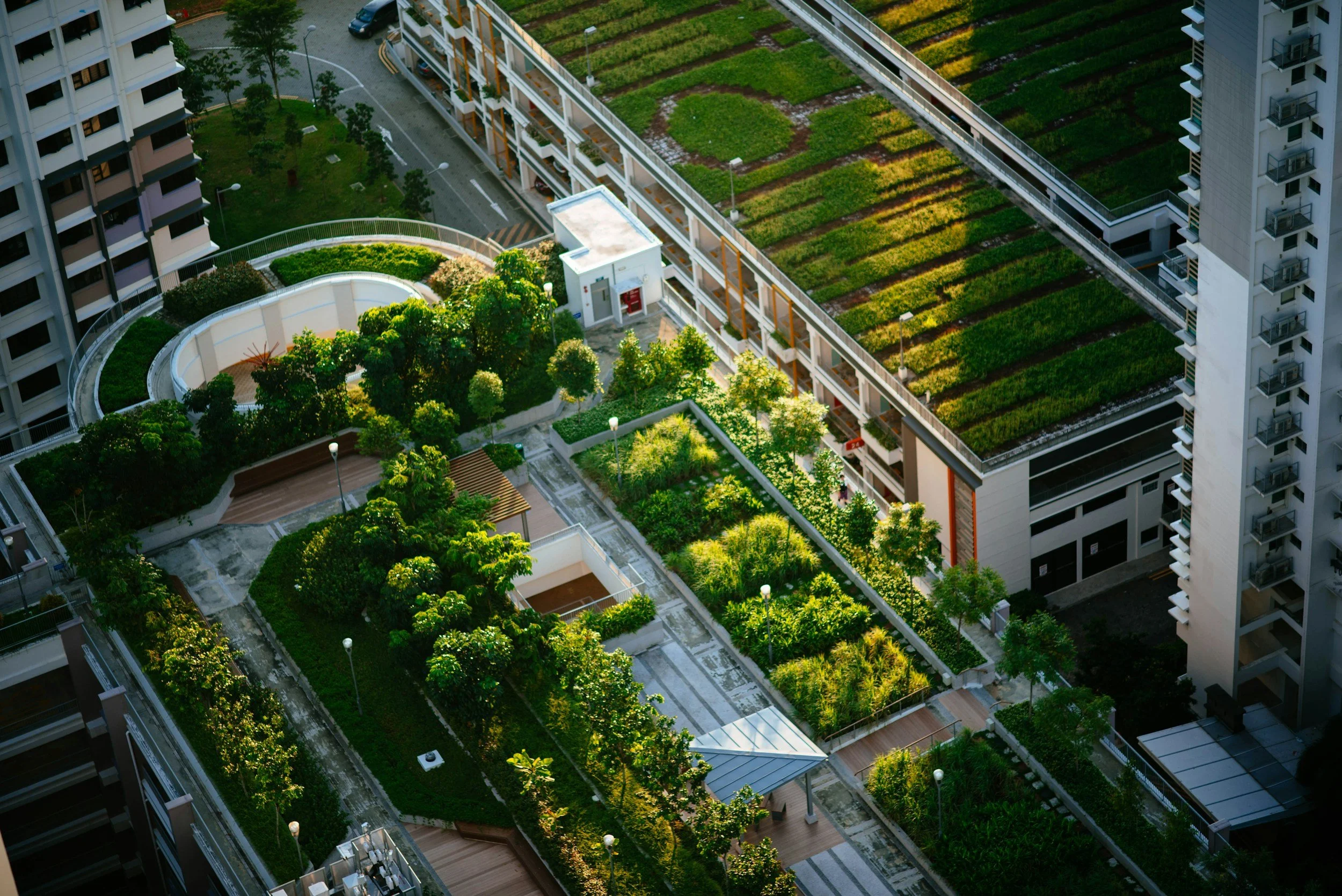
The environment that we build around us is just as important as the natural world. Low or no emission construction, green building materials and integrated systems all go hand in hand to create cleaner places to live, work and play.
Retrofitting buildings may be costly, but the immediate benefits are being felt by tenants and building owners as utility costs come down with more efficient systems in place.
Cleantech in construction.
The places we build are just as important as the natural world. Low-emission construction, green building materials, smart buildings and integrated energy systems create cleaner places to live, work and play. Retrofitting existing buildings can be costly. But tenants and owners see the benefits quickly as utility costs fall with more efficient systems.
Cleantech in construction...

Environment and Conservation Tech
Fighting the good fight...
Environmental conservation plays a critical role in cleantech, particularly in responding to climate change. Technologies that monitor, protect and restore ecosystems help plants, animals and communities thrive. Many of these approaches are now embedded in government policy. Examples include remote sensing, biodiversity monitoring, land restoration and nature-based solutions.
BioTech
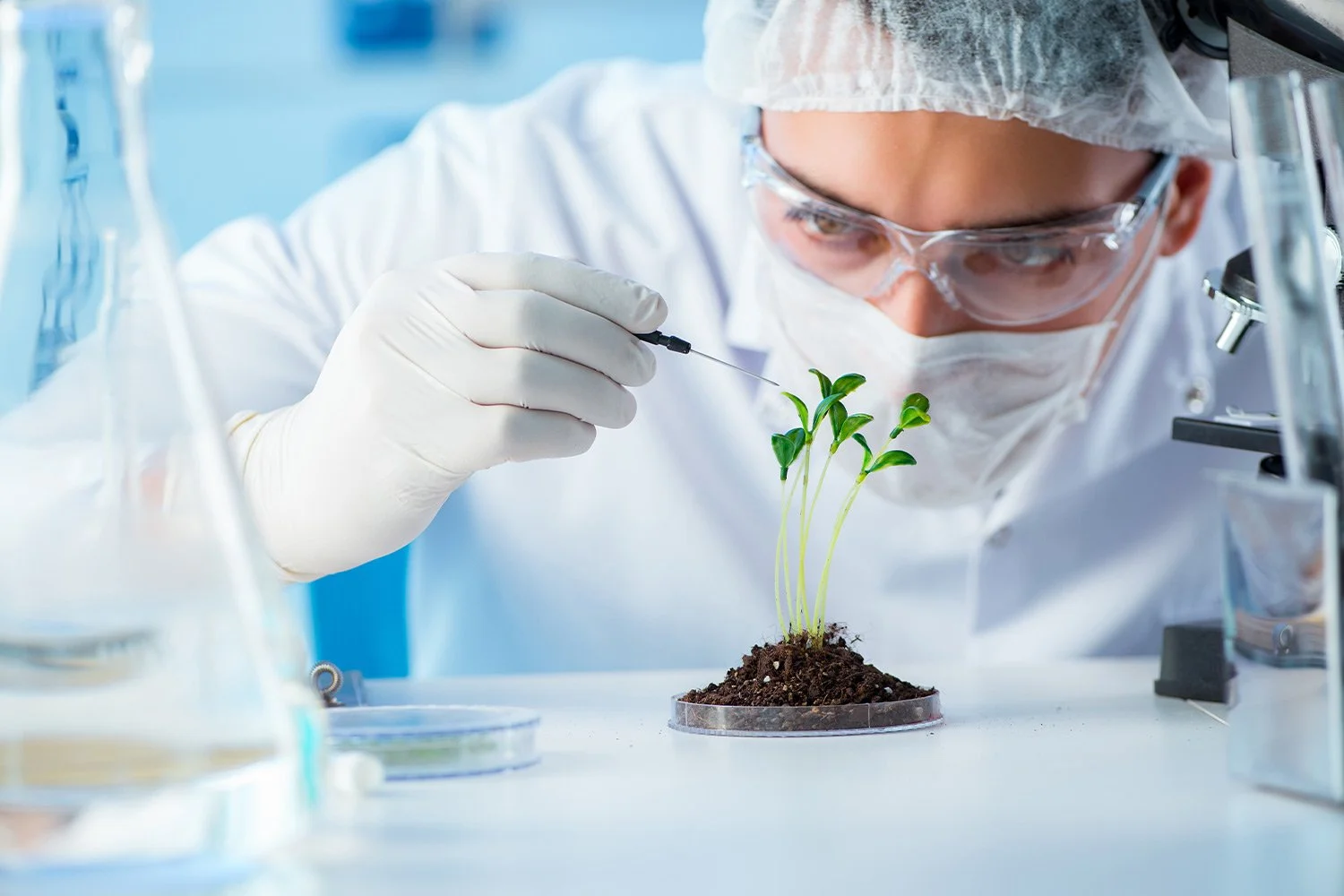
BioTech uses biological science to create sustainable alternatives. These include bio-based materials and chemicals, biofuels, alternative proteins, and microbial solutions for waste, agriculture and industry. Victoria's strong research base makes it a natural home for this sector.
Biology-powered solutions.
Digital Infrastructure and AI
Data that powers decisions
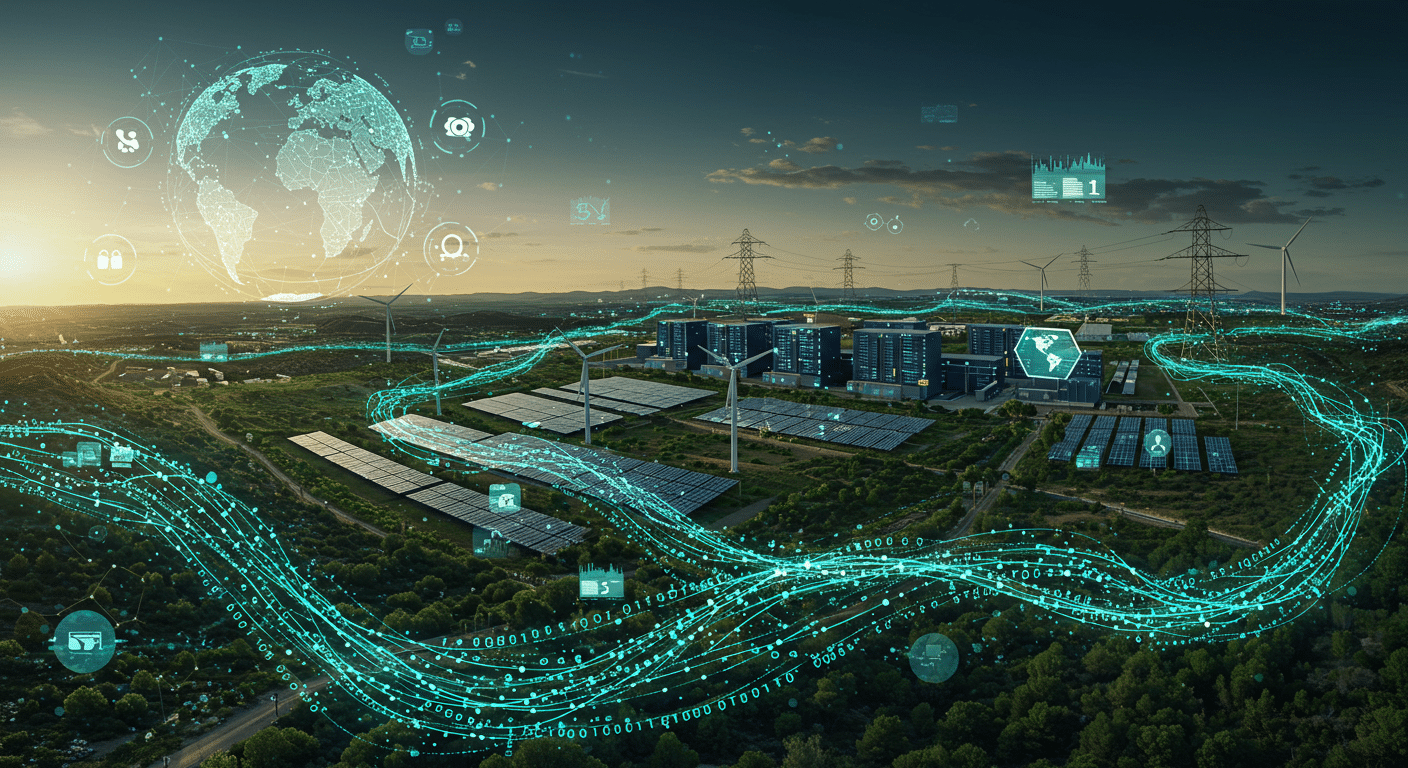
Sensors, smart metering, remote monitoring and digital platforms give businesses the data they need to cut emissions and use resources efficiently. They also underpin many other cleantech sectors. Data centre efficiency and clean-powered digital infrastructure are growing priorities.
Intelligence for a cleaner economy.
Artificial intelligence and data-driven tools are changing how we manage energy, resources and emissions. Applications include predictive maintenance, grid and demand optimisation, environmental monitoring and smarter supply chains. We connect AI innovators with cleantech businesses and industry partners who can put their solutions to work.
Critical Minerals and Resources
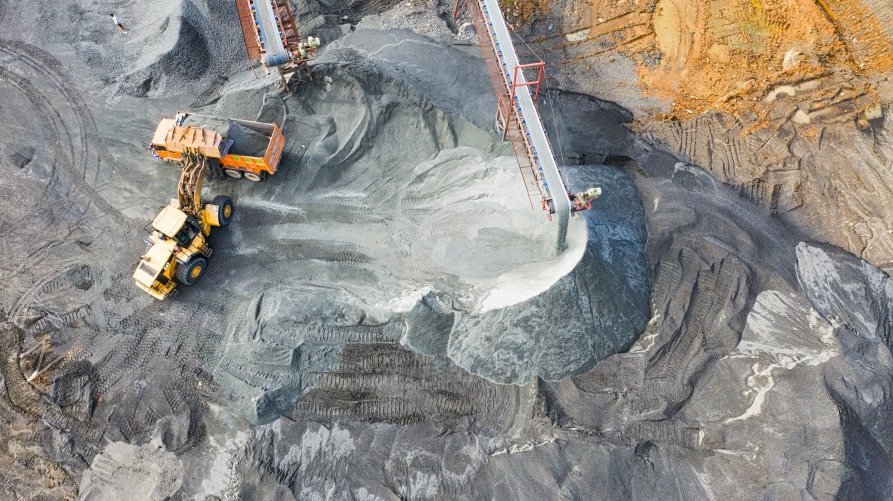
Clean technologies depend on critical minerals such as lithium, rare earths and other materials used in batteries, renewables and electronics. This sector covers responsible exploration, extraction, processing, recycling and recovery. It also includes lower-impact practices that strengthen secure, sustainable supply chains.
The materials behind the transition
Advanced Manufacturing
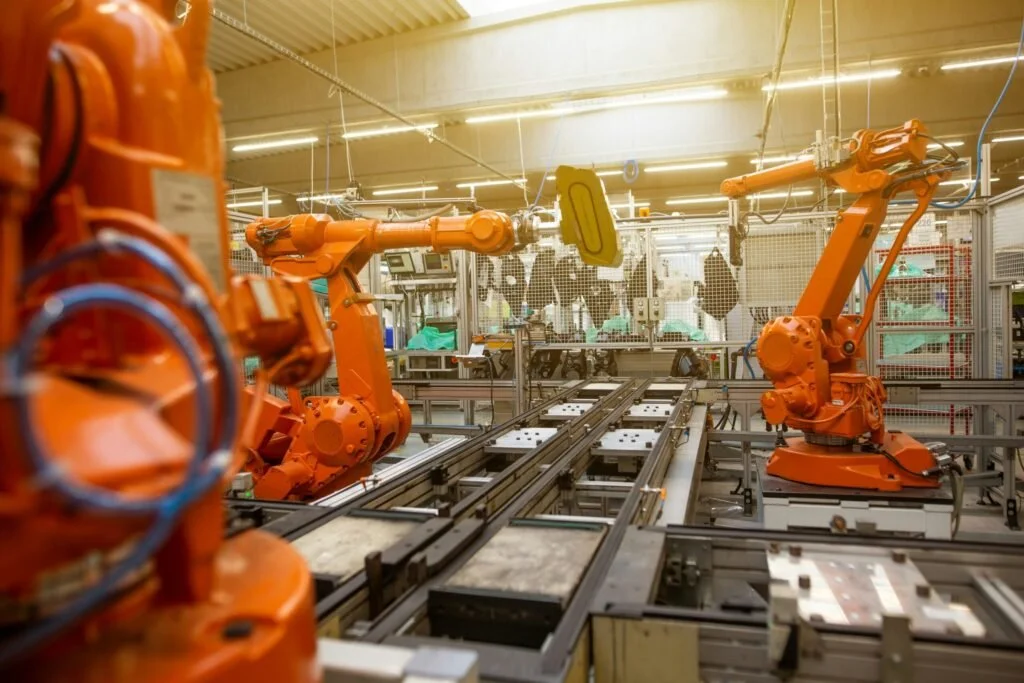
Building the clean economy.
Advanced manufacturing makes the technologies that drive the transition, from batteries and solar components to electrolysers and low-emission materials. It covers automation, additive manufacturing, energy-efficient production and sustainable materials. We help manufacturers scale, access new markets and decarbonise their operations.